
Thane’s Fading Pulse
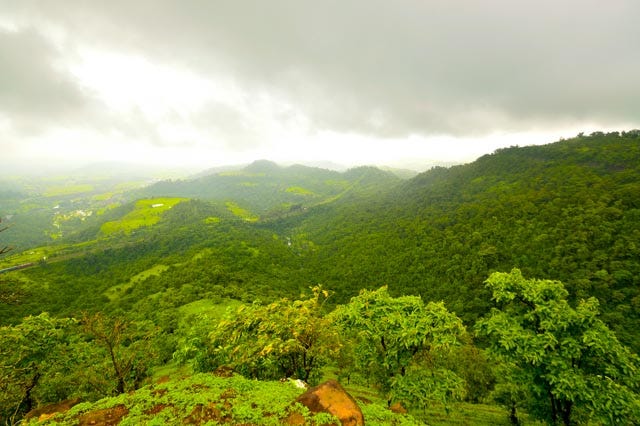
The ‘heart’ of Mumbai-Thane, Sanjay Gandhi National Park, stands at the threshold of danger today. Spread over approximately 104 square kilometres, this lush green sanctuary is shrinking day by day due to human intervention. On this occasion of “World Forest Day,” attention is drawn to this worrying reality. In the modern age of rapid urbanisation, these forests are “suffocating,” directly impacting their rich biodiversity. Lakes, streams, and natural water flows are on the verge of drying up due to encroachment and pollution. The impact of this is not limited to the parks; it affects climate, rainfall patterns, and groundwater levels of the entire Mumbai-Thane region.
The Impact on Wildlife and Ecology
The park is home to leopards, deer, rabbits, snakes, and hundreds of birds. As the forest area decreases, their habitats are being encroached upon. Consequently, wildlife is moving toward the city, increasing human-wildlife conflict. This issues a warning of the collapse of the entire environmental balance.
The “Builder Lobby”
Residents and environmentalists claim that in some areas, a builder lobby with political backing and the “land mafia” are encroaching on the park’s boundaries due to a lack of proper planning, inadequate maintenance, and strict enforcement.
Specific Violations in Yeoor
In the Yeoor area, there are more than 200 unauthorised constructions. Events like weddings, birthdays, and parties are held here with loud celebrations. The resulting movement and noise have disrupted wildlife.
A Call to Action
Dr Prashant Sinkar, an environmental expert, said that we should not only plant trees on World Forest Day. We must collectively raise our voices to take strict steps to save the shrinking Sanjay Gandhi National Park.